Handmade crafts have always held a special place in human culture. For centuries, artisans have used their skills to create beautiful and functional objects. But in today’s fast-paced, technology-driven world, handmade items are more than just products. They represent a lifestyle, a statement of individuality, and a commitment to quality.
The rise of “Modish Handmade” blends traditional crafting techniques with modern aesthetics. It’s not just about making things by hand—it’s about creating something that feels fresh, stylish, and relevant. From macramé wall hangings to hand-poured candles, the demand for unique, handcrafted goods has never been higher.

Why Handmade is Back in Style
Several factors have contributed to the resurgence of handmade goods. First, consumers are shifting away from mass production. Many people are tired of generic, machine-made products that lack personality. Handmade pieces, on the other hand, offer exclusivity and authenticity.
Sustainability is another major driver. Ethical shopping is more important than ever, and buyers are seeking eco-friendly and sustainable alternatives. Handmade products often use natural, recycled, or upcycled materials, making them a responsible choice.
Social media has also played a huge role in the handmade revival. Platforms like Instagram, Pinterest, and TikTok showcase artisans and their creative processes, allowing small businesses to thrive without the need for big advertising budgets. Customers now have direct access to makers, fostering a sense of connection and trust.
Popular Modish Handmade Categories
Handmade goods cover a wide range of categories, but some stand out as particularly trendy and in demand.
Accessories and Jewelry
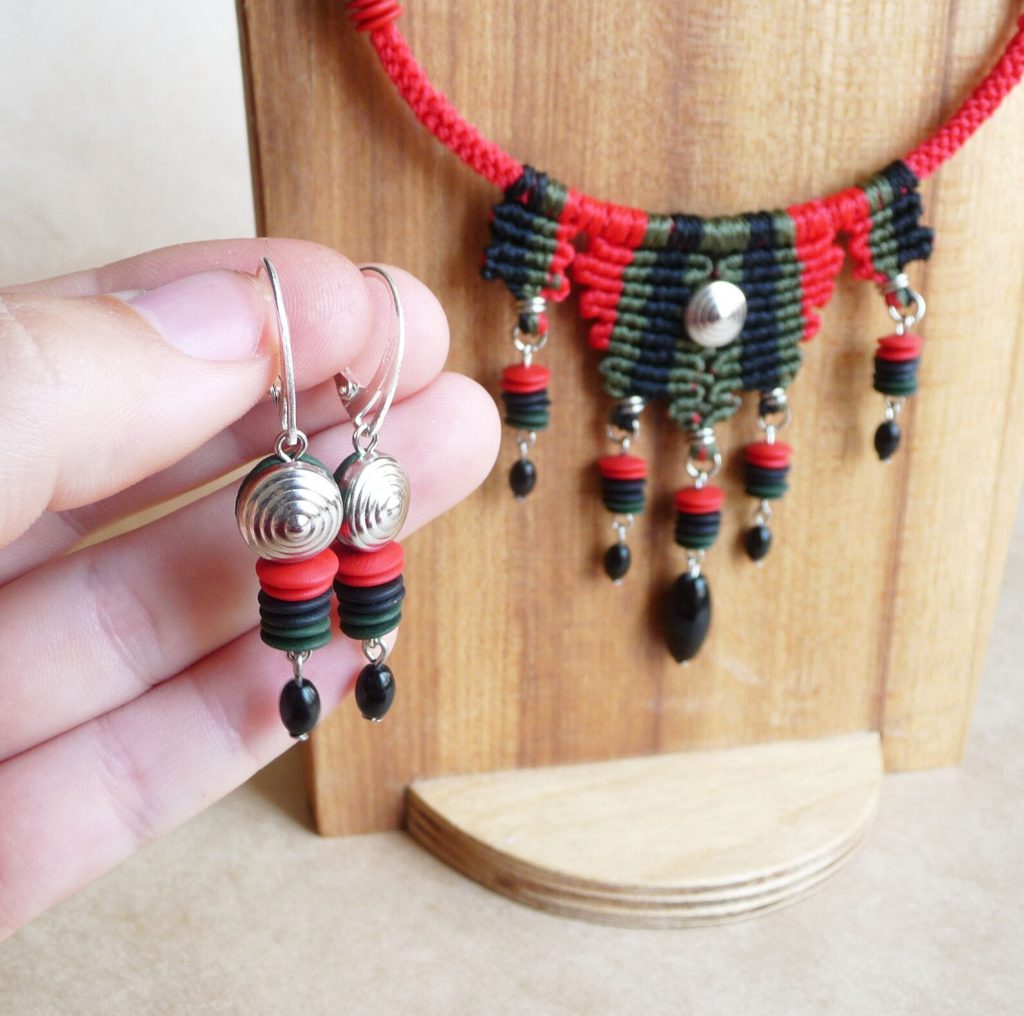
Minimalist earrings, resin rings, and macramé bracelets have become staples in modern fashion. Many artisans incorporate natural stones, wood, and recycled metals to create sustainable statement pieces.
Home Décor
Handmade home décor is one of the fastest-growing categories. Ceramic vases, woven wall art, soy candles, and hand-painted textiles add warmth and personality to any space. Many consumers appreciate the craftsmanship and unique imperfections that make each item one of a kind.
Fashion and Textiles
The slow fashion movement has fueled interest in handcrafted clothing and accessories. Handmade knitwear, embroidered denim, and handwoven bags stand out in a sea of fast fashion. These pieces not only last longer but also tell a story through their craftsmanship.
Natural Skincare and Candles
Consumers are increasingly drawn to handmade soaps, organic skincare, and hand-poured candles. These products are free from harsh chemicals and are often made in small batches with high-quality ingredients. The emphasis on natural, skin-friendly materials makes them popular among eco-conscious buyers.
Building a Successful Handmade Brand
Turning a craft into a business requires more than just talent. To succeed in the handmade industry, artisans need to think strategically about their brand, materials, and marketing approach.
Define Your Niche
With so many handmade sellers, standing out is crucial. Finding a niche—whether it’s minimalist pottery, vintage-inspired embroidery, or personalized leather goods—helps attract the right audience.
Prioritize Quality and Materials
Handmade products must meet high-quality standards. Customers expect durability and craftsmanship. Choosing premium materials and refining techniques can set a brand apart.
Build a Strong Brand Identity
Branding isn’t just about a logo. It includes packaging, product photography, and storytelling. A well-thought-out brand image helps create a lasting impression and builds customer loyalty.
Leverage Social Media
Platforms like Instagram, TikTok, and Pinterest are essential for marketing handmade goods. Posting behind-the-scenes content, DIY tutorials, and customer testimonials can boost engagement and attract buyers.
Sell on the Right Platforms
Etsy, Amazon Handmade, and personal e-commerce websites offer great opportunities for selling handmade products. Choosing the right platform depends on the target audience and business model.
Trends Shaping the Future of Handmade
The handmade industry continues to evolve, influenced by consumer preferences and global trends. Some key movements shaping the future include:
- Eco-friendly and Zero-Waste Products – Sustainable materials and plastic-free packaging are in high demand.
- Personalization and Custom Orders – Shoppers love items that feel unique and tailored to their tastes.
- Blending Modern and Traditional Techniques – Combining digital tools like laser cutting with hand-finishing techniques creates innovative products.
- Seasonal and Limited Collections – Creating exclusive, small-batch releases adds to the desirability of handmade goods.
Conclusion
Modish Handmade is more than a trend—it’s a movement that values craftsmanship, sustainability, and individuality. Whether you’re an artisan looking to grow a business or a shopper seeking unique, high-quality products, handmade is the future of conscious consumerism. By embracing creativity and ethical production, we can bring more beauty and meaning into everyday life.